
Jewish Blessings Before Eating: The Spiritual Side of Kosher

Eating is one of the most ordinary things we do. We grab a snack between meetings, pick up lunch on the way to a flight, or take the first bite of dinner before the plate has fully reached the table.
Jewish tradition asks us to pause.
Before eating or drinking, a Jewish person recites a bracha—a blessing that recognizes G-d as the source of what is about to be enjoyed. It may take only a few seconds, but that small interruption can change the experience. Hunger becomes awareness. A familiar food becomes something worth noticing. Eating becomes an opportunity for gratitude.
There is no single Jewish blessing that applies to every meal. Traditional Jewish practice uses six primary blessings before eating, each connected to a different category of food. The words help us pay attention not only to what is on the plate, but also to where it came from.
The short answer: The six primary Jewish blessings before eating are Hamotzi for bread, Mezonot for many grain-based foods, Hagafen for wine and grape juice, Ha’etz for tree fruit, Ha’adamah for produce that grows from the ground, and Shehakol for other foods and drinks. A bracha is recited even before a small snack or sip.
Why Do Jewish People Say Blessings Before Eating?
A blessing before food is called a bracha rishona, or “first blessing.” Although people sometimes describe it as “blessing the food,” the blessing is actually directed to G-d.
The Talmud teaches that the world and everything in it belong to G-d. Reciting a bracha acknowledges that truth before we take something for ourselves. It is a way of recognizing that food is not simply ours because we bought it, prepared it, or found it waiting in the refrigerator.
That idea gives the blessing its spiritual power. A bracha creates a moment between desire and action. Instead of eating automatically, we stop long enough to remember that nourishment is a gift.
This practice is part of Judaism’s broader spiritual connection to food. Jewish tradition brings intention into the kitchen and dining room through kashrut, holiday meals, Shabbat, hospitality, fasting, and blessings. The table is not separate from spiritual life. It is one of the places where spiritual life happens.
The Opening Words of a Jewish Food Blessing
Each of the six blessings begins with the same words:
Baruch Atah Adonai, Eloheinu Melech ha’olam…
In plain English, these words mean:
Blessed are You, Lord our G-d, King of the universe…
The ending changes according to the food being eaten. Bread has one blessing, wine and grape juice have another, and fruits and vegetables are recognized according to how they grow.
Transliterations can vary slightly between communities and prayer books. For example, you may see ha’etz written as ha’eitz, or Hagafen pronounced Hagefen. The guide below uses familiar English transliterations while following traditional Orthodox practice.
A Guide to the Six Jewish Blessings Before Eating
1. Hamotzi: The Blessing Over Bread
Transliteration: Baruch Atah Adonai, Eloheinu Melech ha’olam, hamotzi lechem min ha’aretz.
Plain-English meaning: Blessed are You, Lord our G-d, King of the universe, Who brings forth bread from the earth.
Common foods: Bread, challah, bagels, rolls, and other breads made from wheat, barley, rye, spelt, or oats.
Bread holds a special place in Jewish law. In traditional practice, hands are ritually washed before eating a bread-based meal, and Hamotzi is recited before the first bite. The blessing generally covers the other foods eaten as part of that meal.
Calling bread “brought forth from the earth” also connects a finished loaf to its beginning. Before the mixing, kneading, baking, slicing, and serving, there was grain growing from the ground. Hamotzi recognizes both the Creator’s provision and the human effort that helps bring it to the table.
2. Mezonot: The Blessing Over Grain-Based Foods
Transliteration: Baruch Atah Adonai, Eloheinu Melech ha’olam, borei minei mezonot.
Plain-English meaning: Blessed are You, Lord our G-d, King of the universe, Who creates varieties of nourishment.
Common foods: Cakes, cookies, many crackers and cereals, pasta, couscous, and other grain-based foods that are not considered bread.
The word mezonot is connected to nourishment or sustenance. Its wording draws attention to food’s ability to support and sustain life—even when the food in question happens to be a cookie.
The line between Hamotzi and Mezonot can sometimes be more detailed than it appears. Ingredients, preparation, and the amount being eaten may affect the proper blessing, so unusual baked goods or meal-sized portions may require guidance from a reliable bracha resource or rabbi.
3. Hagafen: The Blessing Over Wine and Grape Juice
Transliteration: Baruch Atah Adonai, Eloheinu Melech ha’olam, borei pri hagafen.
Plain-English meaning: Blessed are You, Lord our G-d, King of the universe, Who creates the fruit of the vine.
Common foods and drinks: Wine and grape juice.
Wine receives its own blessing because of its distinctive place in Jewish life. It helps sanctify Shabbat and holidays through Kiddush, marks milestones such as weddings and circumcisions, and brings a sense of ceremony to moments of joy.
Hagafen reminds us that food and drink can do more than satisfy a physical need. They can help distinguish sacred time, carry tradition, and bring people together.
4. Ha’etz: The Blessing Over Fruit From Trees
Transliteration: Baruch Atah Adonai, Eloheinu Melech ha’olam, borei pri ha’etz.
Plain-English meaning: Blessed are You, Lord our G-d, King of the universe, Who creates the fruit of the tree.
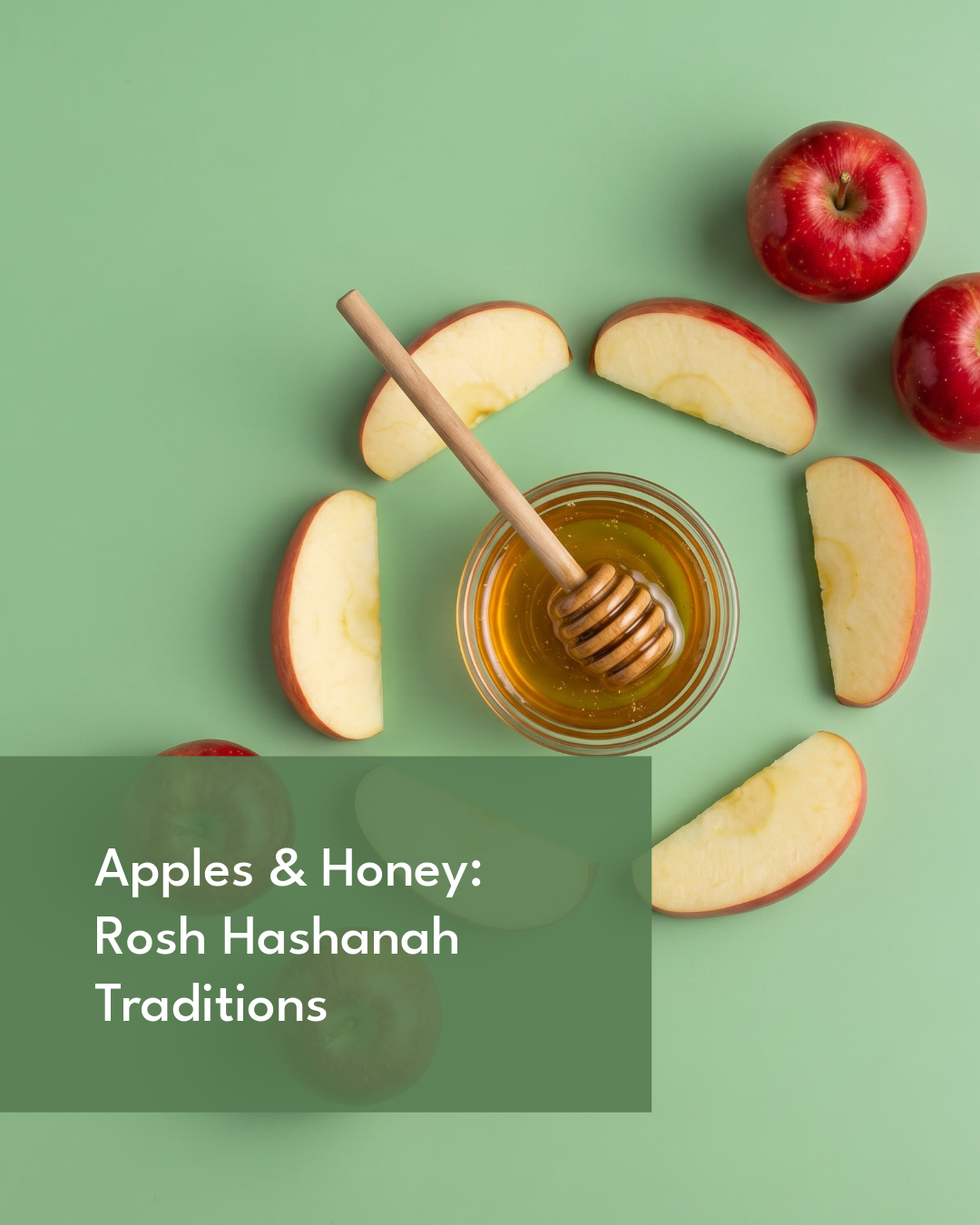
Common foods: Apples, oranges, peaches, pears, grapes, figs, dates, and many nuts, including almonds and walnuts.
Ha’etz asks us to notice how a food grows. A piece of fruit may be eaten in seconds, but it is the result of roots, branches, seasons, rain, sunlight, and time.
Not every food commonly called a fruit receives Ha’etz. In Jewish law, the blessing depends on the plant’s growing pattern. Bananas, pineapples, strawberries, and melons, for example, generally receive Ha’adamah instead.
5. Ha’adamah: The Blessing Over Produce From the Ground
Transliteration: Baruch Atah Adonai, Eloheinu Melech ha’olam, borei pri ha’adamah.
Plain-English meaning: Blessed are You, Lord our G-d, King of the universe, Who creates the fruit of the ground.
Common foods: Vegetables, potatoes, legumes, peanuts, bananas, pineapples, strawberries, and melons.
Ha’adamah makes the ground itself part of the moment. It recognizes the soil and the systems of growth that are easy to overlook once produce has been washed, cut, packaged, and placed on a shelf.
The distinction between Ha’etz and Ha’adamah also shows why Jewish food blessings are so specific. Gratitude is not expressed only in general terms. We are asked to look more closely at what we are eating and understand something about its source.
6. Shehakol: The Blessing Over Other Foods and Drinks
Transliteration: Baruch Atah Adonai, Eloheinu Melech ha’olam, shehakol nihyah bidvaro.
Plain-English meaning: Blessed are You, Lord our G-d, King of the universe, by Whose word everything came to be.
Common foods and drinks: Meat, poultry, fish, eggs, dairy products, water, coffee, tea, non-grape juices, candy, and mushrooms.
Shehakol covers a wide range of foods that do not fall into the other five categories. Its meaning is broad, but not impersonal. It traces everything back to a single divine source.
Because Shehakol applies so widely, beginners sometimes treat it as the blessing to use whenever they are unsure. Traditional practice, however, calls for determining the food’s correct blessing whenever possible instead of automatically using Shehakol as a catchall.
What About Foods With Multiple Ingredients?
A sandwich, casserole, salad, granola bar, or slice of pie may contain ingredients that would each receive a different blessing on their own. In many mixed foods, Jewish law identifies a primary ingredient—known as the ikar—and a secondary ingredient, or tafel. One blessing may then cover the complete food.
Grain ingredients often have special significance, and bread can change the blessing structure of an entire meal. Because the details depend on how a food is prepared, combined, and eaten, a simple chart cannot answer every case. When the correct bracha is unclear, consult a trusted Orthodox rabbi or a reliable food-specific guide, such as the OU Guide to Blessings.
Does Saying a Blessing Make Food Kosher?
No. A blessing does not change a food’s kosher status.
Kashrut governs which foods may be eaten and how they are produced, prepared, and served. Ingredients, equipment, supervision, and the separation of meat and dairy can all matter. A bracha serves a different purpose: it acknowledges G-d before a person eats.
The two practices are distinct, but they share a spiritual direction. Kashrut asks us to be intentional about what we eat. Brachot ask us to be intentional about how we eat. Together, they bring awareness and discipline into something we might otherwise do without thinking.
How to Say a Bracha Before Eating
The words matter, but so does the moment created around them. In traditional practice:
- Identify the correct blessing for the food.
- Hold the food—or the utensil containing it—before reciting the bracha.
- Say the blessing with attention to its meaning and the food you are about to eat.
- Eat promptly afterward without pausing for unrelated conversation.
This does not require a long ceremony. The goal is a brief, focused transition from having food in front of you to receiving it with awareness.
Are There Jewish Blessings After Eating, Too?
Yes. A blessing recited after eating is called a bracha acharona, or “after-blessing.” Which one is said depends on what and how much was consumed.
Birkat Hamazon—often called Grace After Meals or bentching—is recited after a qualifying meal containing bread. A shorter blessing known as Me’ein Shalosh is used after certain grain foods, wine or grape juice, and particular fruits associated with the Land of Israel. Borei Nefashot is recited after many other foods and drinks.
After-blessings have minimum-quantity and timing requirements, so questions about a specific situation are best directed to a knowledgeable rabbi or an established halachic guide.
A Small Pause With Lasting Meaning
A bracha does not make an apple sweeter or a sandwich more filling. What it changes is the person taking the first bite.
For a few seconds, the blessing interrupts habit. It reminds us that food has a source, nourishment is not guaranteed, and even an ordinary meal can carry spiritual meaning. Repeated day after day, those small pauses create a practice of gratitude woven into daily life.
At Kosher Eats, our work is centered on making good kosher food available wherever people need it—from airports and arenas to college campuses, hospitals, schools, and cruise lines. But convenience does not have to mean eating without intention. Wherever the next meal happens, a simple blessing can turn the first bite into a moment of awareness.




© 2025 by Kosher Eats. Website design and development by 1744 Marketing.
Accessibility | Terms & Conditions | Privacy Policy