
Kosher vs. Vegan: Where Do These Diets Overlap?
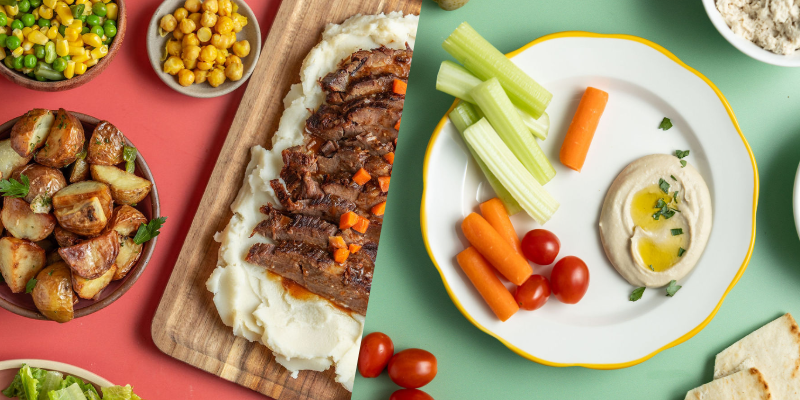
Kosher vs. Vegan: Where Do These Diets Overlap?
As plant-based eating becomes more popular around the world, many people begin to wonder how vegan food fits into traditional dietary frameworks. One common question is: Is all vegan food kosher? Or put another way, is kosher inherently vegan?
The short answer is that kosher and vegan diets do often overlap, but they are not the same. Understanding where they align (and where they differ) can help anyone exploring kosher diet basics, whether for religious, ethical, or lifestyle reasons.
What Is a Kosher Diet?
A kosher diet follows Jewish dietary laws, known as kashrut. These rules govern not only what foods can be eaten, but also how they are prepared and processed.
At a high level, kosher guidelines include:
- Permitted animals: Only certain animals are allowed (for example, cows and sheep are kosher; pork and shellfish are not).
- Separation of meat and dairy: Meat and dairy cannot be cooked or eaten together.
- Proper slaughter and processing: Animal products must meet specific standards in the slaughter process.
- Ingredient oversight: Even plant-based foods can become non-kosher depending on additives, processing, or cross-contamination.
Foods that contain no meat or dairy are called pareve, which becomes especially relevant when discussing vegan food.
What Is a Vegan Diet?
A vegan diet excludes all animal-derived products. This includes:
- Meat, poultry, and fish
- Dairy products
- Eggs
- Honey
- Animal-based additives (such as gelatin or certain food colorings)
The choice to live by a vegan diet could be motivated by a number of factors. It could be an ethical choice based on the treatment of the animals. Or maybe you’re making the decision for environmental considerations.
Because vegan food is plant-based, it naturally avoids many of the restrictions found in kosher law, but that does not automatically make vegan food kosher.
Where Kosher and Vegan Overlap
1. Plant-Based Foods Are Naturally Pareve
Most vegan foods are pareve, meaning they contain no meat or dairy. This is one of the strongest points of overlap between kosher and vegan diets. Fruits, vegetables, grains, nuts, seeds, and plant oils are generally compatible with kosher guidelines in principle.
This is why many people assume that vegan kosher foods are automatically acceptable, but kosher status depends on more than ingredients alone.
2. Ingredient Scrutiny Matters in Both Diets
Both kosher and vegan eaters pay close attention to ingredient lists. For vegans, the concern is animal-derived ingredients.
For kosher consumers, the concern includes:
- Animal-derived ingredients
- Whether ingredients are kosher-certified
- How and where the food was processed
For example, an ingredient may be plant-based but processed using equipment shared with non-kosher foods, which can affect its kosher status.
3. Shared Values Around Intentional Eating
While the motivations of vegan and kosher diets differ, both emphasize mindful food choices. Kosher law focuses on discipline, tradition, and sanctifying daily actions. Veganism often emphasizes ethics, sustainability, and compassion. The overlap lies in conscious consumption and transparency.
Is Vegan Food Kosher?
The answer is simple: sometimes. But it leads to more questions. Vegan food can be kosher if:
- All ingredients are kosher-compliant
- The food is prepared and processed in a kosher-certified facility
- There is no cross-contact with non-kosher ingredients
Without kosher certification, even a fully plant-based product may not meet kosher standards. This distinction is especially important in packaged foods and restaurants.
Are Vegan Restaurants Kosher?
Not necessarily.
A vegan restaurant does not serve animal products, but that alone does not make it kosher. Kosher requirements also involve:
- Approved ingredient sourcing
- Supervised food preparation
- Kosher-certified equipment and facilities
This is why some vegan restaurants choose to obtain kosher certification, while others do not. According to guidance from kosher authorities such as Chabad and kosher certification agencies, vegan does not automatically mean kosher.
Is Kosher Food Always Vegan?
No. Many kosher foods contain meat, dairy, or eggs, all of which are prohibited in a vegan diet. While pareve kosher foods often align with vegan standards, kosher certification allows for a much broader range of foods than veganism permits.
In other words:
- All vegan foods avoid meat and dairy
- Kosher food may include meat or dairy (just not together)
The Kosher Vegan Sweet Spot
The strongest overlap between these two diets exists in kosher-certified pareve foods that are fully plant-based. These foods meet:
- Vegan standards by excluding all animal products
- Kosher standards through certification and proper preparation
For people seeking foods that align with both lifestyles, kosher vegan products offer clarity, trust, and transparency.
Kosher and vegan diets intersect in meaningful ways, but they are built on different foundations. Vegan food focuses on what is excluded. Kosher law focuses on how food is sourced, prepared, and certified.
So, is kosher vegan? Sometimes.
Is vegan food kosher? Only when it meets kosher standards beyond ingredients alone.
Understanding these distinctions empowers consumers to make informed, confident choices—no matter their reason for exploring kosher vegan food.




© 2025 by Kosher Eats. Website design and development by 1744 Marketing.
Accessibility | Terms & Conditions | Privacy Policy